Rhyming Worksheet Cut and Paste for Kindergarten (Free PDF)
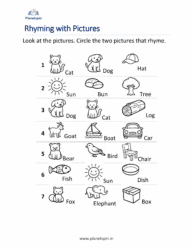
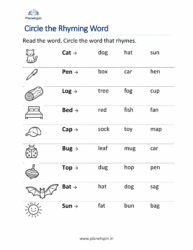
Rhyming cut and paste worksheet help kids identify rhyming pictures or words. Children cut out words or pictures and paste them next to matching rhymes. This activity helps them in strengthening their phonetic skills and early reading development. These worksheets can be easily downloaded by clicking on the images in PDF format.
Similar worksheets:

Download the Cut and Paste Rhyming worksheets
Cutting and pasting activities on rhyming worksheets help kids learn about rhyming words. These worksheets teach phonics and have kids cut out pictures and attach them next to words or pictures that rhyme with them. Rhyming cut and paste worksheets are one of the best ways to make phonics learning joyful and interactive. With hands-on activity slong with sound recognition, these activity worksheets can help kids develop early reading skills, which is very important for them in their educational development.
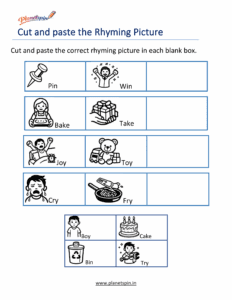
What are rhyming cut and paste worksheets about?
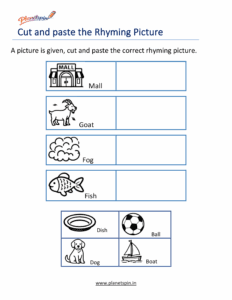
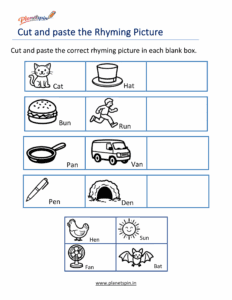
Children use a rhyming cut-and-paste worksheets to find words or pictures that rhyme by cutting and matching them properly.
For this activity:
- Kids cut out pictures or drawings.
- Find the pair of words that rhyme
- Put them close to each other
Examples of Rhyming Words (including pictures)
Here are some common rhyming word sets used in worksheets:
- Mall – Ball
- Goat – Boat
- Fog – Dog
- Fish – Dish
- Cat – Hat – Bat
- Bun – Run – Sun
- Pan – Van – Fan
- Pen – Den – Hen
- Pin – Win – Bin
- Bake – Take – Cake
- Joy – Toy – Boy
- Cry – Fry – Try
Practicing these helps children recognize sound patterns quickly.
Tips for Parents and Teachers
Parents and teachers can make the activity more effective with these tips:
- Start with easy and familiar words.
- Let children say rhyming words aloud.
- Practice regularly to support learning.
- Turn it into a game or challenge.
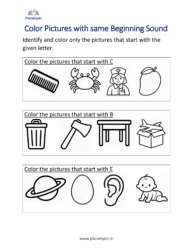
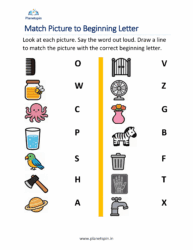
- Use with matching, coloring, and circle activities.